

The journey to a child’s healthy smile starts early, even before they can talk or eat solid food. Baby teeth, also called primary teeth, are essential for more than just biting into food—they play a key role in speech development, proper alignment for adult teeth, and maintaining good oral health. Understanding when baby teeth start to emerge, and how to care for them, is crucial for parents as they navigate their child’s dental development. In this guide, we’ll cover when to start dental care for your baby’s teeth and why it’s so important.
When Do Baby Teeth Begin to Erupt?
The timeline for baby teeth varies from child to child, but generally, babies start to sprout their first tooth around six months of age. This early tooth, often the lower front tooth, is the first sign of a developing smile. By the time your child is three years old, they should have a full set of 20 baby teeth, including both upper and lower molars.
The eruption process often follows a predictable pattern, with the bottom two front teeth typically appearing first, followed by the upper two. However, some babies may experience teething earlier or later than this, so it’s important not to stress over exact timing. If you have concerns, don’t hesitate to consult your local kids dentist in Abilene for guidance.
The Importance of Baby Teeth
Though baby teeth eventually fall out to make way for permanent ones, they serve a crucial function during the few years they are present. These teeth allow children to chew their food properly, which is essential for their nutrition. They also help with speech development, enabling children to pronounce sounds clearly as they grow older. Furthermore, healthy baby teeth act as placeholders for the permanent teeth beneath them, ensuring they come in straight and correctly aligned.
Maintaining healthy baby teeth can also impact the overall health of your child’s mouth. Cavities in baby teeth can lead to infections or even affect the development of permanent teeth. That’s why it’s so important to start caring for your child’s teeth as soon as they appear.
How to Care for Baby Teeth
Starting dental care early is key to establishing healthy habits for your child’s oral health. Here are some steps to follow to ensure that your baby’s teeth remain strong and healthy:
Cleaning the First Tooth
Even before your child has a full set of teeth, it’s important to begin cleaning their mouth. After feedings, gently wipe your baby’s gums with a soft, damp washcloth. Once the first tooth emerges, use a soft-bristled baby toothbrush with water to clean the tooth. Avoid using toothpaste until your child is older, usually around two years old, and start with a small amount of fluoride toothpaste once they can spit.
Establishing a Brushing Routine
By the age of one, you can start brushing your baby’s teeth twice a day—once in the morning and once before bedtime. At this stage, you only need a smear of toothpaste, about the size of a grain of rice. Brushing before bed is especially important, as it helps remove any food particles or bacteria that could cause cavities overnight.
Regular Dentist Visits
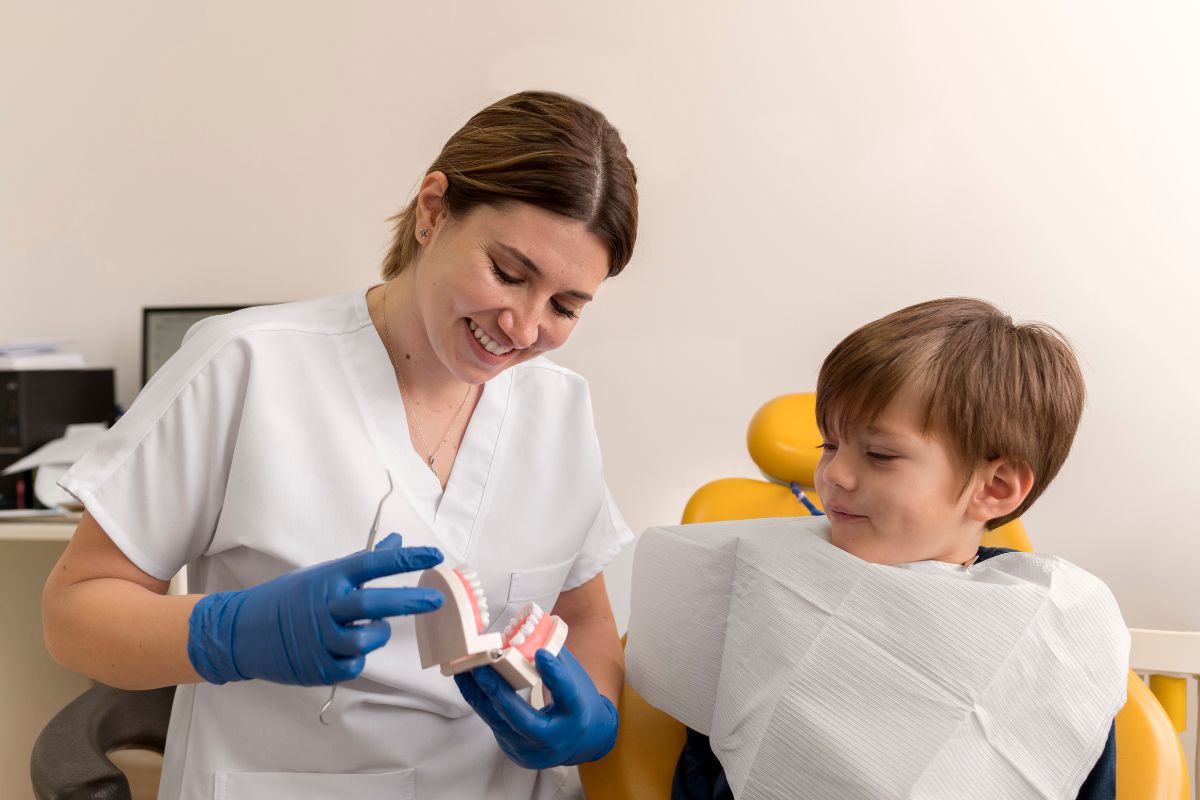
As your child’s teeth emerge, it’s essential to schedule regular dental checkups. The American Dental Association recommends that children visit the dentist by their first birthday or within six months of the first tooth eruption. Regular visits to a kids dentist in Abilene will help ensure that your child’s teeth are developing properly and allow you to address any concerns early.
A kids dentist can provide guidance on proper brushing techniques, fluoride treatments, and preventive measures like dental sealants to protect your child’s teeth from cavities. These visits also give children an opportunity to become familiar with the dentist’s office, making future visits less stressful as they grow older.
Teething Troubles: What to Expect
Teething can be uncomfortable for babies, and it often causes irritability, drooling, and a desire to chew on objects. Some babies may also experience mild fever or disrupted sleep patterns during teething. To soothe teething pain, try using a chilled teething ring or gently massaging your baby’s gums with a clean finger. If your baby seems particularly uncomfortable, it’s always a good idea to check in with your pediatrician or dentist.
The Transition to Adult Teeth
By age six, most children will start to lose their baby teeth to make way for their permanent teeth. This process can take several years, typically lasting until the child is around 12 or 13. During this time, it’s crucial to continue practicing good oral hygiene and maintaining regular dentist visits to monitor the transition.
In conclusion, caring for your child’s baby teeth is an essential part of ensuring their long-term oral health. By starting early, brushing regularly, and scheduling regular dental checkups, you can help your child develop healthy habits that will last a lifetime. Keep in mind that while baby teeth may eventually fall out, the foundation you build today will support your child’s smile for years to come. Visit our office in Abilene for expert dental care and guidance for your child’s oral health journey.