
Every parent wants their child to have a bright and healthy smile, but baby bottle tooth decay is a common issue that can impact infants and toddlers. Also known as early childhood caries, this condition occurs when a baby’s teeth are frequently exposed to sugary liquids, leading to cavities and long-term oral health problems. The good news is that baby bottle tooth decay is entirely preventable. By understanding its causes and following simple oral care practices, you can protect your child’s developing teeth. In this blog, we’ll explore the causes of baby bottle tooth decay and provide essential tips to keep your little one’s smile healthy.
Understanding Baby Bottle Tooth Decay
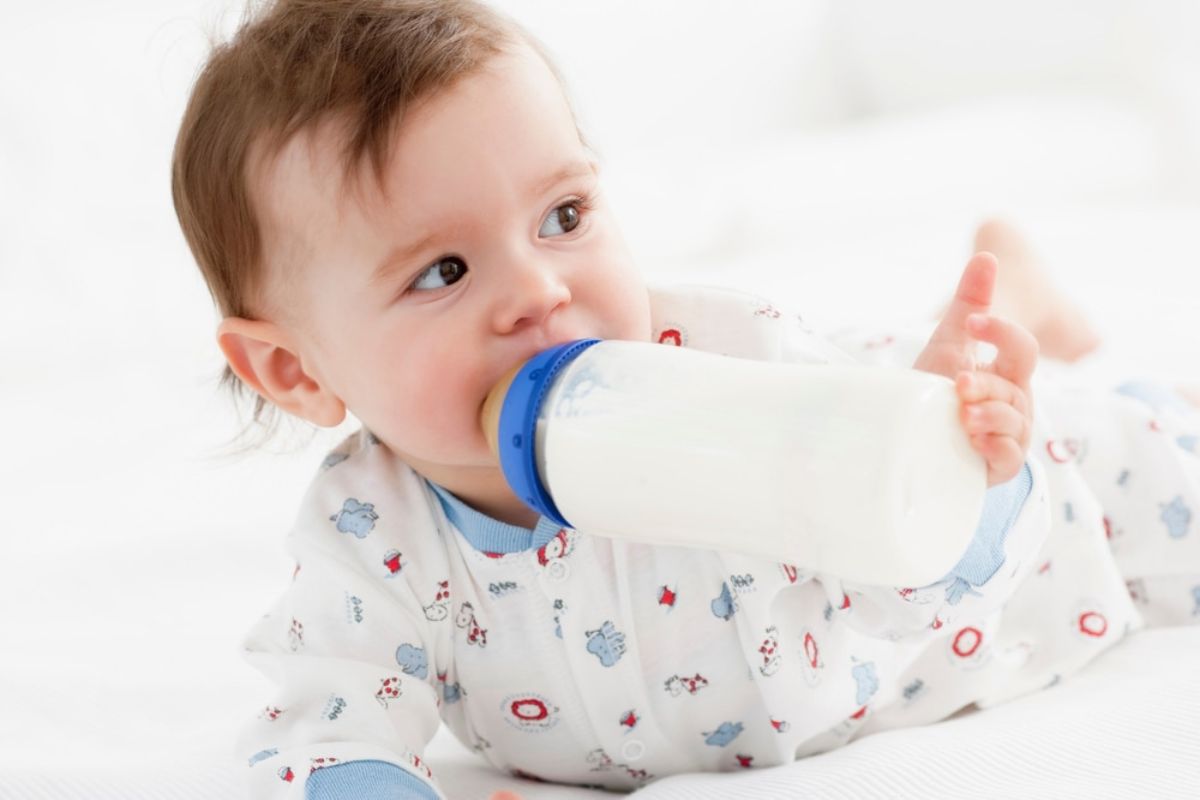
Baby bottle tooth decay happens when sugar-containing liquids, such as milk, formula, or juice, remain on a baby’s teeth for extended periods. Bacteria in the mouth feed on these sugars, producing acids that erode the tooth enamel. This can lead to cavities, pain, and even early tooth loss, affecting your child’s ability to eat and speak properly.
The risk of decay increases when babies are put to sleep with a bottle, as the liquid pools around their teeth throughout the night. Poor oral hygiene, frequent snacking, and a lack of fluoride can also contribute to the development of cavities. Since baby teeth play a crucial role in speech development and guiding permanent teeth into place, protecting them from decay is essential.
What Causes Baby Bottle Tooth Decay?
Several factors can lead to baby bottle tooth decay, including:
Prolonged exposure to sugary liquids: When a baby drinks milk, formula, or juice frequently, their teeth are consistently exposed to sugar, increasing the risk of decay.
Sleeping with a bottle: Allowing a baby to sleep with a bottle of milk or juice results in sugar sitting on their teeth for hours, giving bacteria time to cause damage.
Poor oral hygiene: Failing to clean a baby’s gums and teeth properly allows plaque and bacteria to build up, leading to cavities.
Sharing utensils or pacifiers: When parents or caregivers transfer their saliva to a baby by sharing spoons or cleaning a pacifier with their mouth, they introduce cavity-causing bacteria to the baby’s mouth.
Lack of fluoride: Fluoride helps strengthen tooth enamel, and a deficiency can make teeth more susceptible to decay.
By recognizing these causes, parents can take proactive steps to protect their child’s teeth from an early age.
How to Prevent Baby Bottle Tooth Decay?
Preventing baby bottle tooth decay is simple with a few key habits. Here’s how you can protect your child’s teeth from early damage.
Start Oral Care Early
Even before your baby’s first tooth appears, clean their gums with a soft, damp cloth after feedings. Once teeth begin to emerge, brush them gently with a soft-bristled toothbrush and a smear of fluoride toothpaste. Establishing a good oral care routine early on will help maintain healthy teeth and gums.
Avoid Putting Your Baby to Bed with a Bottle
Letting your baby sleep with a bottle filled with milk or juice increases the risk of decay, as the sugars stay on their teeth for an extended time. Instead, offer a bottle with water or use a pacifier if your baby needs comfort while sleeping.
Limit Sugary Drinks and Frequent Snacking
Frequent snacking and sugary drinks encourage bacteria growth, leading to acid attacks on the teeth. Encourage your child to drink water throughout the day and transition them from a bottle to a cup by their first birthday. Reducing sugar intake will help prevent cavities and promote healthy teeth.
Encourage Regular Dental Visits
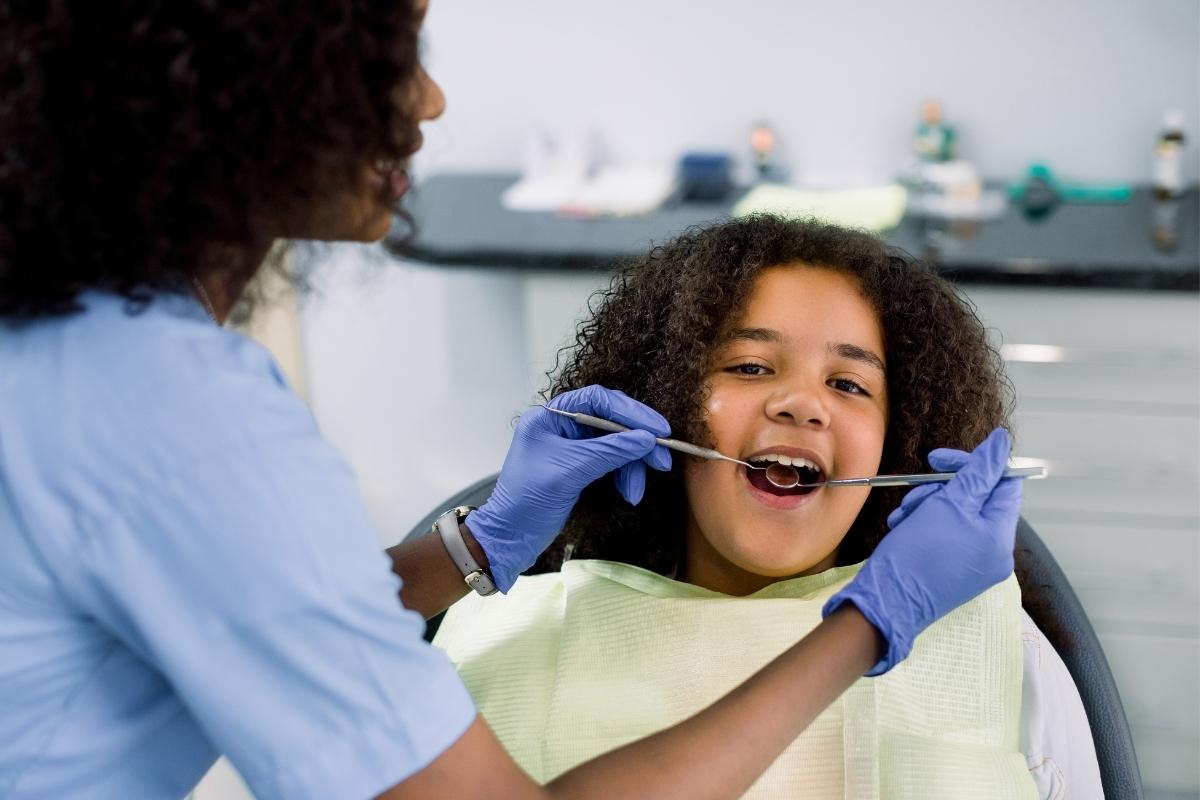
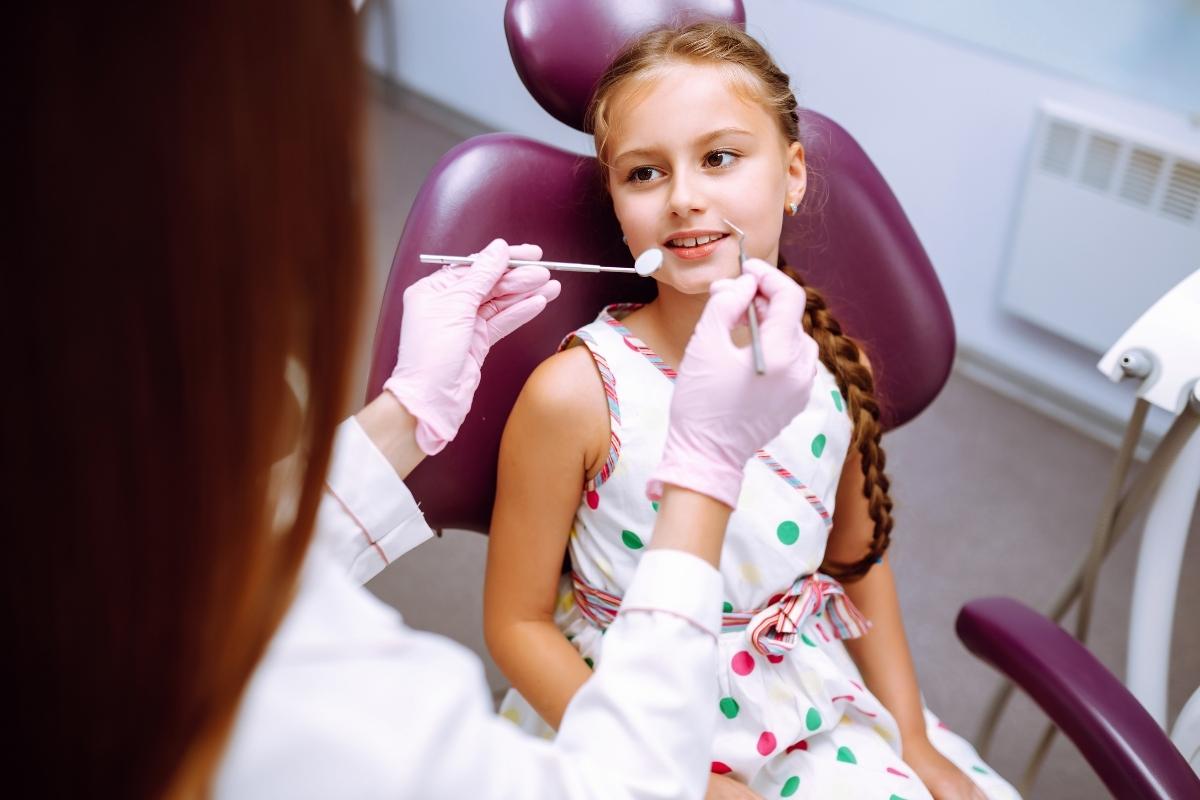
The American Academy of Pediatric Dentistry recommends that children visit a dentist by their first birthday or when their first tooth appears. A pediatric dentist can check for early signs of decay, provide fluoride treatments, and offer personalized oral care advice. Searching for a pediatric dentist near me can help you find a trusted provider. If you’re looking for expert care in a child-friendly environment, contact us for professional treatment tailored to your little one’s needs.
Use Fluoride for Stronger Teeth
Fluoride strengthens enamel and helps prevent cavities. Ensure your child gets enough fluoride through drinking water or fluoride toothpaste. Your pediatric dentist may also recommend fluoride treatments to offer extra protection against decay.
Why Do Baby Teeth Matter?
Some parents assume that baby teeth don’t matter since they eventually fall out, but they play a crucial role in overall oral development. Baby teeth help children chew food properly, develop clear speech, and maintain space for permanent teeth. Losing them too early due to decay can cause misalignment issues, increasing the chances of needing orthodontic treatment later. Taking care of baby teeth now sets the stage for a lifetime of good oral health.
Protect Your Baby’s Smile from the Start
Baby bottle tooth decay is a serious yet preventable condition that can affect your child’s oral health early on. By adopting healthy oral care practices, limiting sugary drinks, and scheduling regular dental visits, you can help your little one develop strong and healthy teeth.
If you’re searching for expert pediatric dental care, start by looking for a pediatric dentist to find a specialist who understands your child’s unique needs. For compassionate and professional care, visit our dental office, where our team is dedicated to providing gentle, high-quality dental services for your child. A healthy smile begins with early prevention, so take action today to ensure a bright dental future for your little one!