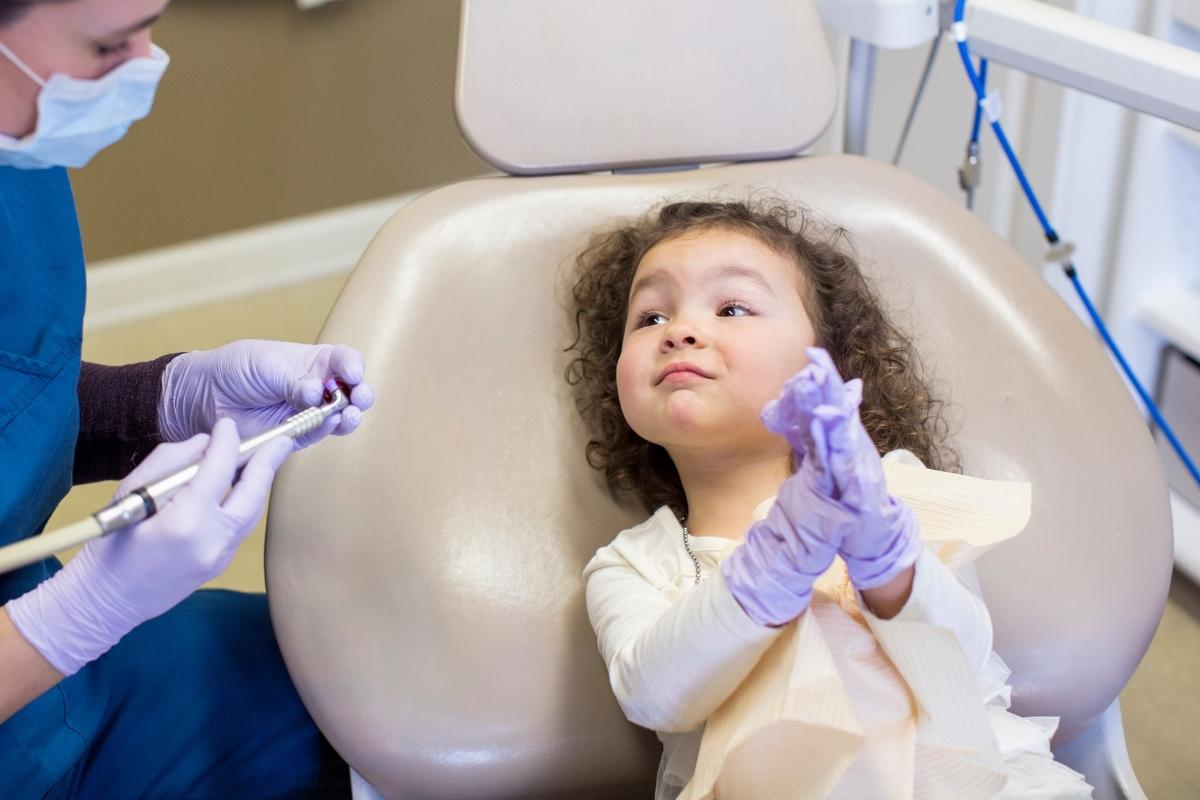


Baby teeth may only be around for a few years, but they influence your child’s health far longer than most parents expect. These early teeth help children eat comfortably, speak clearly, and grow with confidence. When baby teeth are cared for properly, they support healthy development and help prevent avoidable dental concerns later on.
Baby Teeth Do More Than You Think
They Help With Everyday Eating
Baby teeth help children break down food effectively, making it easier for their growing bodies to digest the nutrients they need. When teeth are strong and pain-free, kids can enjoy a wider range of foods, including crunchy fruits and vegetables. If teeth are damaged or lost too early, children may shy away from certain foods, which can affect nutrition and healthy growth. Guidance from a pediatric dental professional can help parents protect baby teeth before eating habits are impacted.
They Support Clear Speech
Teeth play an important role in how children form sounds and pronounce words. Baby teeth work with the tongue and lips to support proper speech patterns. When teeth are missing or affected by decay, children may struggle with certain sounds, especially during early learning years. Healthy baby teeth help children speak clearly and confidently as they develop language skills.
The Role of Baby Teeth in Adult Tooth Alignment
Space Holders for Permanent Teeth
Each baby tooth acts as a natural guide for the adult tooth developing beneath it. When a baby tooth falls out too early due to decay, the surrounding teeth can shift into the space left by the missing tooth. This movement can limit the space for permanent teeth, increasing the risk of crowding or alignment concerns as adult teeth come in.
Jaw and Facial Development
Baby teeth also support proper jaw growth. When teeth remain in place until they naturally fall out, the jaw develops evenly and steadily. This balanced growth helps reduce the risk of bite problems and uneven spacing later in life.
Baby Teeth and Overall Health
Dental health is closely connected to overall health. Untreated cavities in baby teeth can lead to pain, infection, difficulty sleeping, and trouble focusing at school. These issues can affect daily routines and quality of life. Preventive care helps protect your child from discomfort while supporting long-term wellness.
A healthy smile also plays a role in emotional development. Children who feel comfortable with their teeth are more likely to smile freely, speak up, and engage socially. Positive dental experiences early on often shape healthier habits as children grow.
Simple Ways Parents Can Protect Baby Teeth
• Begin brushing as soon as the first tooth appears
• Use a small amount of fluoride toothpaste appropriate for your child’s age
• Limit sugary drinks, especially before bedtime
• Encourage drinking water between meals
• Make regular dental visits part of your child’s routine
Caring for Little Smiles in Abilene, TX
Healthy habits start early, and having the right dental support makes a difference. At Children’s Dentistry of Abilene, children receive gentle, age-appropriate care in an environment designed to help them feel at ease.
Your child’s smile deserves attention from the very beginning. Visit our dental office in Abilene, TX, and give your child a healthy foundation that lasts. Call today to schedule an appointment and support your child’s growing smile in Abilene, TX.
Quick Questions Parents Often Ask About Baby Teeth
When should my child first visit a dentist?
Most children should see a dentist by their first birthday or when the first tooth appears.
What should I do if my child gets a cavity in a baby tooth?
Early treatment helps prevent pain, infection, and damage to surrounding teeth.
Is brushing really necessary for baby teeth?
Yes. Daily brushing removes plaque and helps protect baby teeth from decay.
Can early tooth loss affect future teeth?
Yes. Losing baby teeth too early can affect spacing and lead to alignment issues later.