

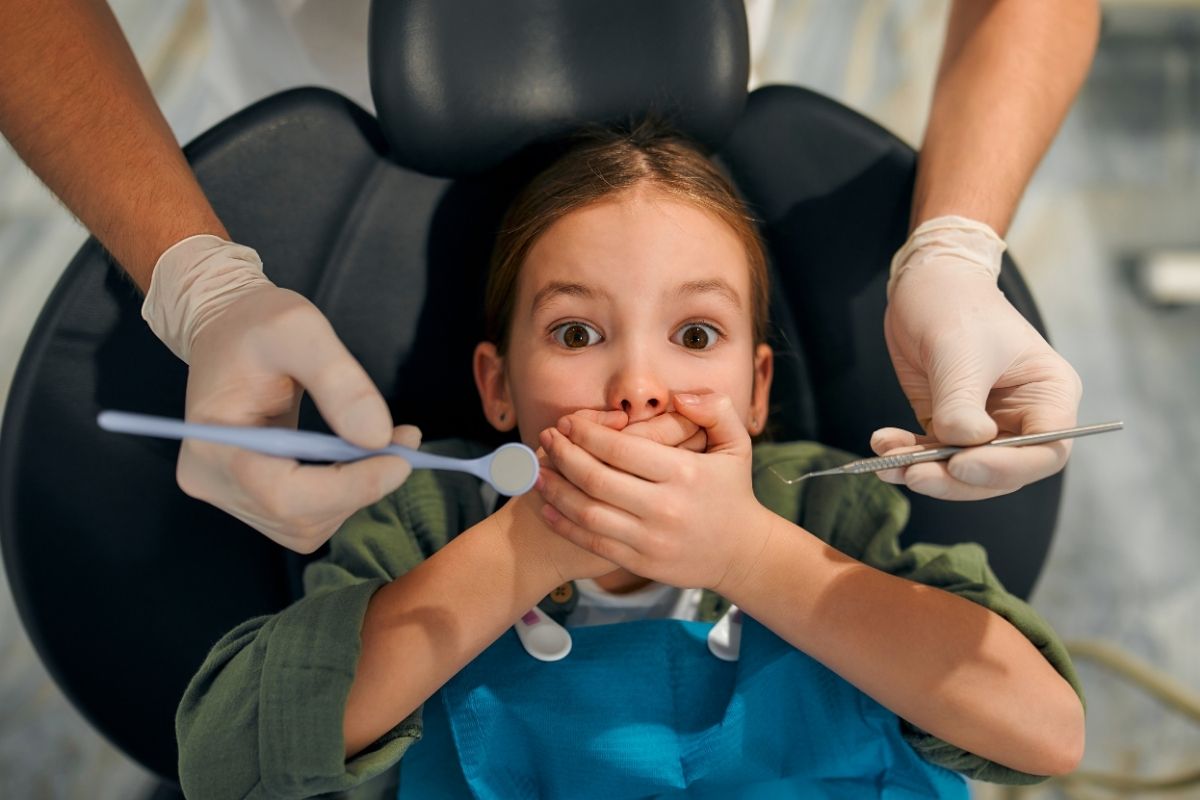
Visiting the dentist can be a stressful experience for many children. Fear of the unknown, unfamiliar sounds, or past experiences can make them anxious before even sitting in the dental chair. As a parent, helping your child feel comfortable and confident at the dentist is key to fostering lifelong healthy oral habits. Here’s how to effectively reduce dental anxiety in kids.
1. Start Early and Make It Familiar
Introducing your child to the dental office at a young age helps them become comfortable with the environment. Even simple visits that don’t involve treatments—like a casual checkup or tour of the office—can make a big difference. Familiarity breeds comfort, and when children know what to expect, their fear often decreases naturally.
2. Explain Procedures in Simple Words
Children are more likely to feel anxious when they don’t understand what’s happening. Use age-appropriate language to explain procedures. For instance, instead of saying “We’ll drill your tooth,” you might say, “We’ll clean your tooth, so it stays strong.” Some dental practices also use techniques like oral sedation, which can help children relax during longer or more complex procedures. Discussing these options with your dentist can make visits less intimidating.
3. Practice Calm Behavior and Positive Reinforcement
Kids are highly sensitive to adults’ emotions. Modeling calm and positive behavior during dental visits helps them mirror that confidence. Encourage your child with praise for small achievements, like opening wide for a cleaning or sitting still. Celebrating these moments reinforces a positive association with dental care.
4. Use Distractions Wisely
Distractions such as storytelling, music, or guided breathing exercises can help children focus on something other than the procedure. Some dental offices provide visual aids or even tablets to keep kids engaged during treatment. Distractions aren’t just fun—they’re a practical way to reduce anxiety and make the experience smoother for both children and parents.
5. Encourage Routine Oral Care at Home
A strong at-home oral care routine builds confidence and reduces fear of dental problems. Brushing and flossing together, using fun toothbrushes or timers, and explaining how healthy teeth feel can make children feel more in control of their oral health. When kids see that oral care is manageable, they approach dental visits with less worry.
6. Gradual Exposure to New Experiences
For children with higher anxiety, consider gradual exposure to dental care. Start with short, non-invasive visits and slowly work up to more involved procedures. This step-by-step approach gives kids the opportunity to adjust at their own pace, making dental visits a familiar, non-threatening part of life.
Bright Smiles Start Here
Taking steps to reduce your child’s dental anxiety can set the stage for a lifetime of healthy oral habits. If your child feels nervous about visiting the dentist, it’s never too late to start building comfort and confidence. Visit our dental clinic in Abilene for gentle, kid-friendly care tailored to each child’s needs. Our team specializes in creating a calm environment where children feel safe, understood, and supported.
FAQs:
Q1: At what age should my child first visit the dentist?
Children should have their first dental visit by their first birthday or within six months of getting their first tooth. Early visits help establish good oral habits and make future appointments less stressful.
Q2: How can I prepare my child if they are scared of the dentist?
Talk openly about what to expect, practice at-home oral care, and visit the dental office for a “practice run” to familiarize them with the environment.
Q3: What is oral sedation, and is it safe for children?
Oral sedation is a mild medication that helps children relax during dental procedures. It’s safe when administered by trained pediatric dentists and can make complex treatments more comfortable.
Q4: How can I reward my child without using candy?
Use small toys, stickers, or extra playtime as a reward. Positive reinforcement reinforces healthy dental habits without sugar.