

Understanding the Basics of Baby Tooth Loss
Watching your child grow up comes with countless milestones, and losing baby teeth is one of the most memorable. It often marks the beginning of “big kid” status and can be exciting and scary for kids and parents alike. As your child’s smile changes, it’s natural to have questions. When should baby teeth fall out? Is it okay if one tooth is looser than another? And what should you do when your child loses their first tooth?
In this blog, we’ll explore three essential facts every parent should know about losing baby teeth so you can confidently support your child through this critical phase.
Fact 1: The Timeline Is Different for Every Child
First Tooth Lost Typically Around Age 6
While most children start losing their baby teeth between the ages of 6 and 7, some may begin as early as 4 or as late as 8. It’s normal for the timeline to vary, and it usually follows the same pattern as when their baby teeth first came in. Typically, the lower front teeth (central incisors) are the first to go, followed by the upper front teeth.
Don’t worry if your child’s teeth seem early or late compared to their peers. Genetics plays a significant role in tooth development, so what’s normal for one child may not be for another. However, if no baby teeth have become loose by age 8, it’s a good idea to check in with your pediatric dentist to ensure everything is progressing.
Fact 2: Losing Teeth Is a Natural—and Necessary—Step
Wiggling Is Okay, But Let Nature Do the Work
Once a baby tooth starts to wiggle, the permanent tooth underneath is ready to erupt. This process can take days or even weeks. Kids often enjoy the feeling of a loose tooth and may want to wiggle it frequently. That’s perfectly fine as long as they’re not forcing it out or using objects to pull it.
A key part of the process is ensuring the baby tooth falls out naturally or with minimal assistance. Pulling a tooth too early can damage the gum tissue or the incoming adult tooth. If your child is anxious or the tooth seems stuck, your dental care team can help assess the situation.
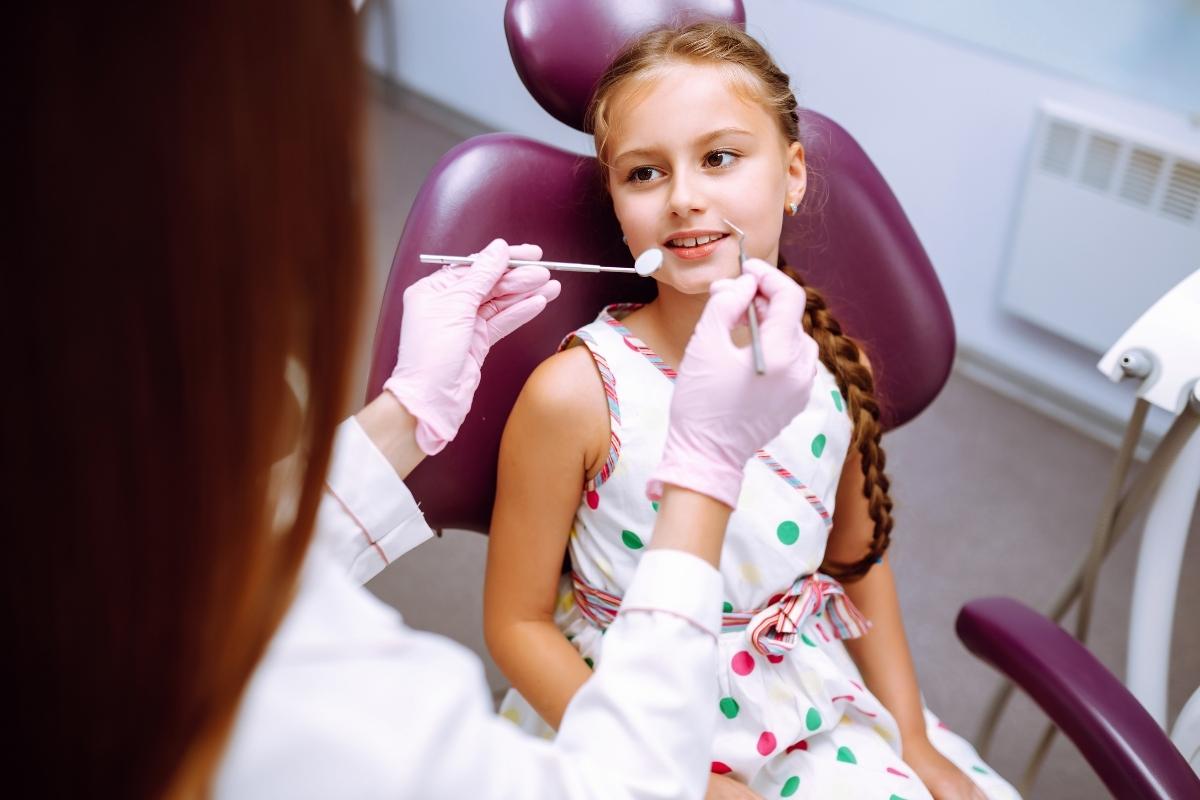
This is also where Children’s Dentistry of Abilene can provide guidance and reassurance. Their team understands the natural progression of baby tooth loss and can evaluate whether the permanent teeth are coming in correctly. If any concerns arise, a simple visit to their office can help put your mind at ease.
Fact 3: Good Oral Hygiene Matters—Even Without All Their Teeth
Keep Brushing and Flossing Through Transitions
Maintaining excellent oral hygiene becomes even more critical as baby teeth fall out and permanent teeth appear. New teeth are more susceptible to cavities early on, especially if not cleaned properly. Continue to encourage twice-daily brushing with fluoride toothpaste and daily flossing. If your child is under 8, they’ll likely still need help brushing to ensure every tooth gets the attention it needs.
Another helpful habit is to limit sugary snacks and drinks, which can impact both baby and adult teeth. A balanced diet, proper hydration, and routine checkups significantly promote long-term dental health.
If you’re looking for expert care and guidance as your child moves through this stage, don’t hesitate to visit our office for a friendly and comprehensive checkup. Building good habits now sets the foundation for a lifetime of healthy smiles.
Final Thoughts on the Tooth-Losing Journey
Losing baby teeth is a natural part of growing up, and every child experiences it in their own unique way. From the excitement of the first loose tooth to the entire smile of adult teeth, this journey is filled with milestones. As a parent, understanding what’s normal and knowing when to seek guidance helps ensure your child’s smile stays healthy and strong.
For families in the area, Children’s Dentistry of Abilene is here to support your child’s oral health every step—with care, comfort, and compassion.