

Milk is often seen as one of the healthiest drinks for children, and in many ways, it is. It provides calcium, vitamin D, and nutrients that support growing bodies. But some everyday milk drinking habits can quietly increase the risk of cavities and enamel damage. Parents are often surprised to learn that the issue is not always the milk itself. It is usually how, when, and what children drink that creates problems.
Understanding these habits early can help protect little smiles and prevent unnecessary dental visits later on.
Falling Asleep With Milk
One of the most common causes of tooth decay in young children happens during bedtime. When a child falls asleep with a bottle or sippy cup filled with milk, the liquid can stay on the teeth for hours. During sleep, saliva production slows down, which means the mouth cannot naturally wash away sugars as effectively.
Even plain milk contains natural sugars called lactose. When those sugars sit on teeth overnight, bacteria feed on them and produce acids that weaken enamel.
Water is the safest bedtime drink once brushing is finished.
Drinking Flavored Milk Too Often
Chocolate milk, strawberry milk, and other flavored varieties usually contain added sugars. Many children drink them daily at school or during snacks without realizing how much sugar they contain.
Frequent exposure to sugary drinks increases the chance of plaque buildup and cavities. Sipping flavored milk slowly over long periods can make things worse because the teeth stay exposed to sugar for longer.
If flavored milk is offered occasionally, encourage children to drink it during meals instead of carrying it around throughout the day.
Using Sippy Cups All Day
Sippy cups can be helpful during transitions from bottles, but prolonged use may contribute to dental problems. Constant sipping keeps teeth coated in milk sugars, especially when children snack throughout the day.
Many parents do not notice how often their child takes small sips while playing or watching screens. Over time, this repeated exposure may affect enamel health.
Switching to open cups as children grow can help reduce this habit and support healthier oral development.
Brushing Teeth Right After Drinking Milk
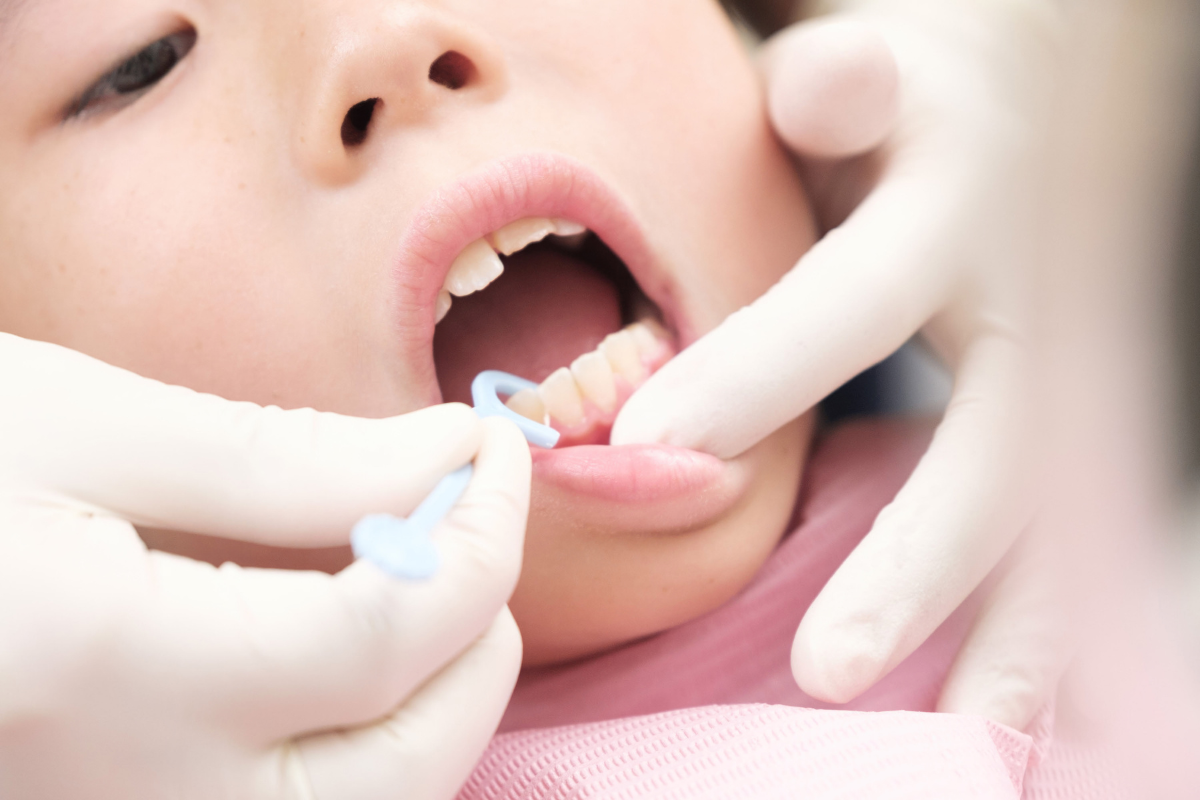
This one surprises many parents. Milk leaves a thin film on teeth, and if a child brushes aggressively immediately afterward, especially after flavored milk, enamel may become more vulnerable to wear.
A better approach is to rinse with water first and wait a short time before brushing. Teaching gentle brushing techniques also matters.
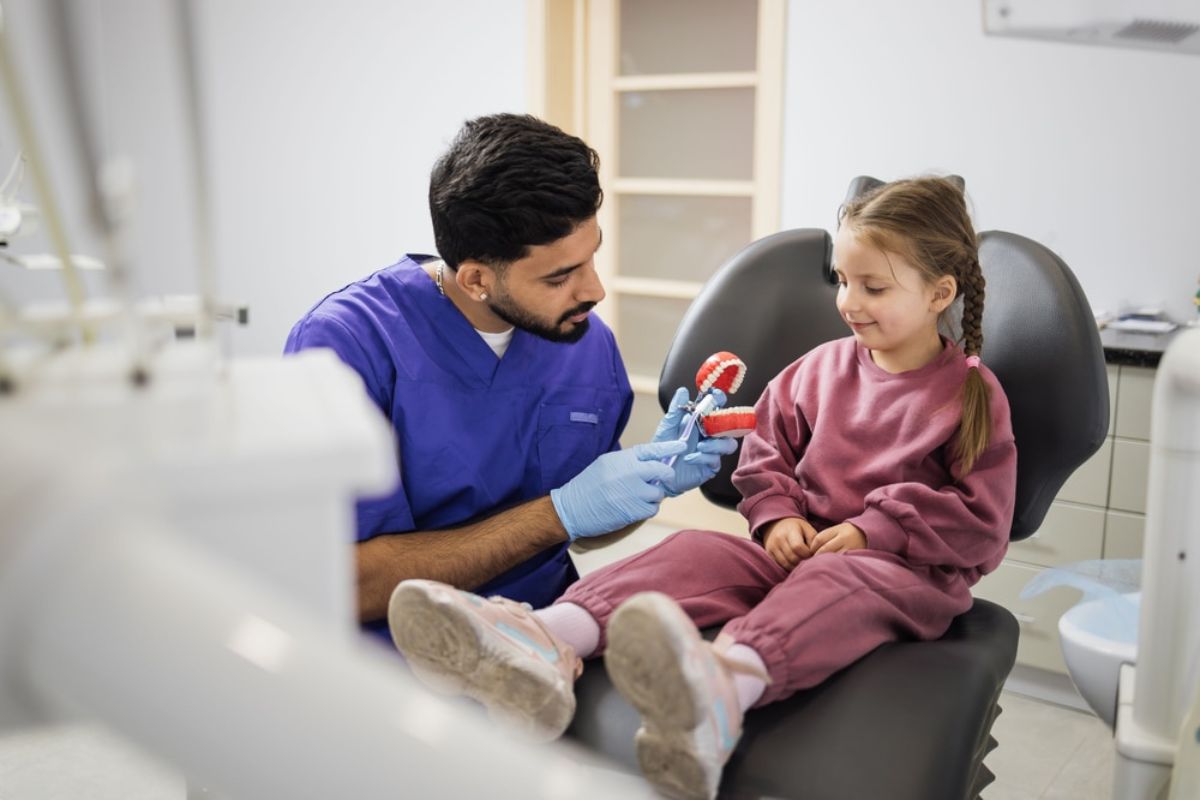
Families who visit a trusted pediatric dental clinic often learn that timing and technique are just as important as brushing frequency.
Adding Sugary Powders or Syrups
Some children dislike plain milk, so parents add flavored powders, syrups, or sweeteners to encourage drinking. While this may seem harmless, these additions can significantly raise sugar intake.
Sticky sweeteners tend to cling to teeth, especially around the chewing surfaces of molars. Frequent exposure increases the likelihood of decay, particularly when brushing habits are inconsistent.
Plain milk remains the better option whenever possible.
Drinking Milk Instead of Water Throughout the Day
Milk is nutritious, but it should not replace water completely. Water helps rinse away food particles, balance the mouth’s acidity, and support saliva production.
Children who constantly drink milk between meals may unknowingly create an environment where cavity-causing bacteria thrive. Encouraging water after snacks and meals can make a noticeable difference in oral health.
Parents in Abilene often focus on limiting candy and soda but overlook how repeated milk exposure can affect teeth over time.
Small Changes Can Protect Growing Smiles
Healthy habits do not have to feel complicated. Offering milk during meals, avoiding bedtime bottles, encouraging water throughout the day, and maintaining regular brushing routines can go a long way in protecting children’s teeth.
Routine dental visits also help catch early signs of enamel damage before small concerns become larger problems.
Keep Your Child’s Smile Strong for Years to Come
If you have questions about your child’s oral habits or want guidance tailored to their needs, the team at Children’s Dentistry of Abilene is here to help. Visit our Abilene dental office to support healthy smiles with gentle, kid-friendly care designed for growing families.
FAQs :
Can plain milk cause cavities in children?
Yes. Plain milk contains natural sugars that can contribute to cavities when teeth are exposed for long periods, especially overnight.
Is chocolate milk worse for teeth than regular milk?
Chocolate milk usually contains added sugars, which increase the risk of tooth decay if consumed frequently.
At what age should children stop using bottles at bedtime?
Most dentists recommend ending bedtime bottle use by around 12 to 18 months to reduce cavity risk.
Should children rinse after drinking milk?
Yes. Rinsing with water after drinking milk can help wash away sugars and protect enamel.
Is milk still good for children’s teeth?
Absolutely. Milk provides important nutrients for strong teeth and bones when consumed in healthy ways.