
Cavities in children can sneak up quietly, often before you notice any signs. These tiny dental issues can impact your child’s comfort, eating habits, and overall health. Understanding how cavities develop and learning proactive steps can help protect your child’s smile for years.
How Cavities Start in Kids
Cavities begin when the enamel, the protective layer of the tooth, starts to weaken. Bacteria in the mouth feed on leftover sugars from snacks and drinks, producing acids that gradually wear down enamel. Children are particularly vulnerable because their enamel is thinner than adults’, making early decay faster and more likely. At first, cavities may show no symptoms, which is why regular dental visits are so important.
Spotting Early Signs of Tooth Decay
The first visible signs often appear as white spots on the teeth. These spots signal enamel demineralization, which can progress into darker, noticeable cavities if untreated. Some kids may feel mild sensitivity or discomfort, especially when eating sweets or cold foods. Children may not always mention these symptoms, so observant parents and timely dental checkups play a key role.
The Role of a Children’s Dental Specialist
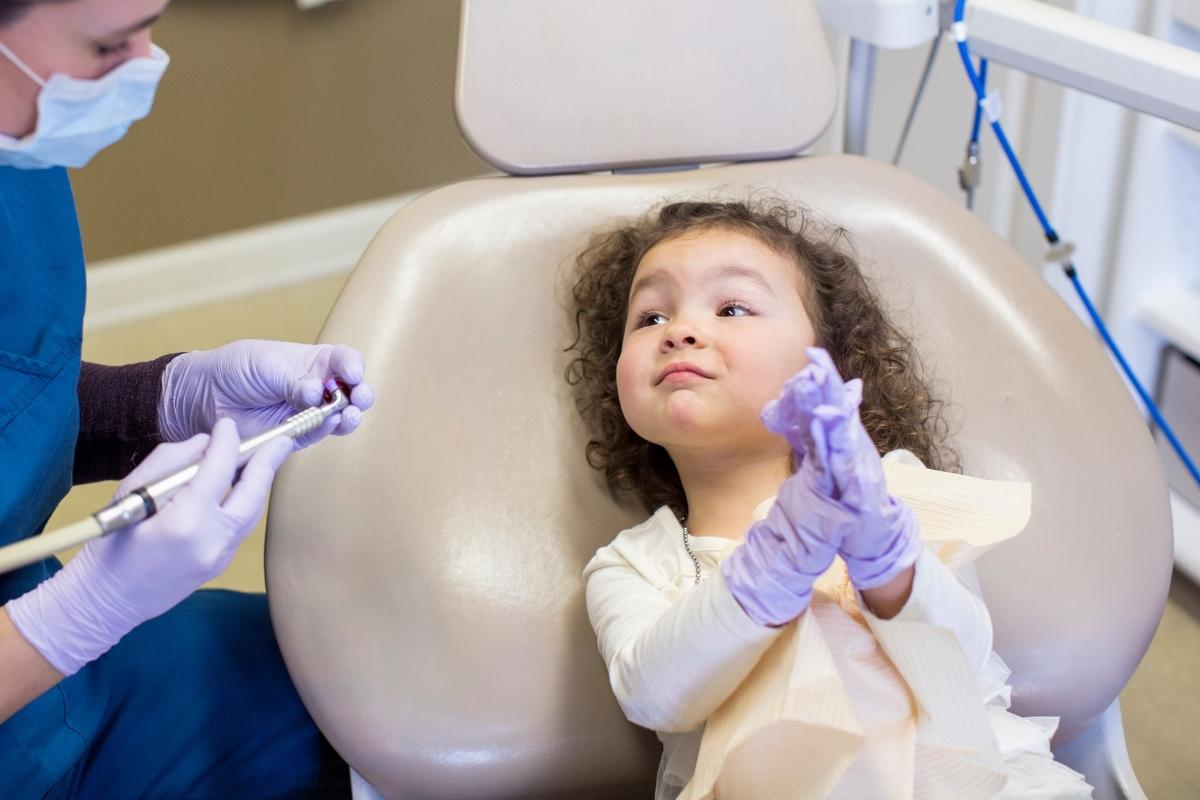
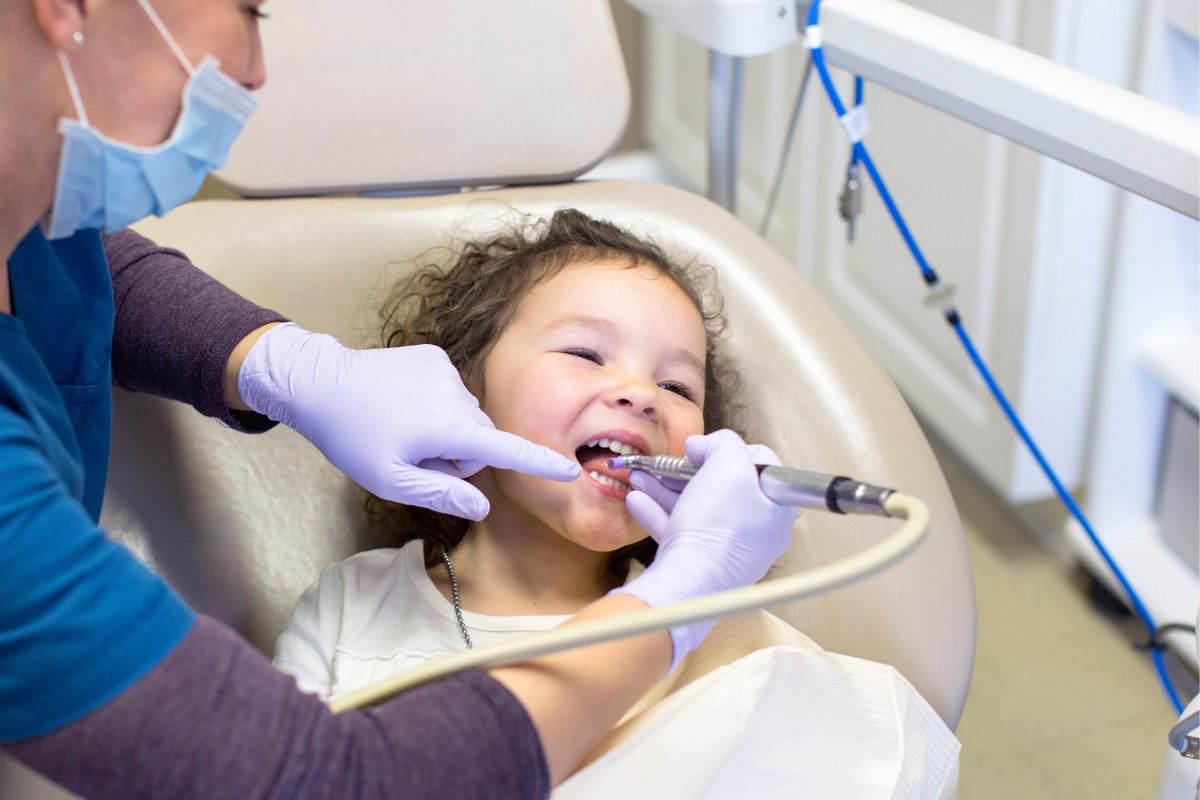
A children’s dental specialist provides expert care tailored to young patients. They know how to examine small teeth effectively, explain procedures in kid-friendly ways, and make dental visits comfortable. Pediatric specialists also guide parents on brushing techniques, fluoride treatments, and diet adjustments that strengthen teeth against decay. Regular visits can prevent problems before they become serious.
At-Home Tips to Keep Cavities Away
Keeping cavities at bay starts at home. Simple daily habits can make a big difference in protecting your child’s teeth and promoting long-term oral health.
Practical tips for parents:
- Brush twice a day: Use fluoride toothpaste and a pea-sized amount for children under six. Make brushing a consistent routine morning and night.
- Start flossing early: Begin when two teeth touch to remove plaque and food particles between teeth.
- Limit sugary snacks and drinks: Reduce candies, soda, juice, and sticky snacks that feed cavity-causing bacteria.
- Encourage water intake: Drinking water throughout the day helps rinse away food particles and supports natural saliva protection.
- Regular dental checkups: Even with good home care, visits to a pediatric dental specialist help catch early signs of decay and provide professional guidance.
Making Dental Care Fun and Consistent
Building healthy habits early is key. Turn brushing and flossing into a game or fun routine rather than a chore. Use toothbrushes with favorite characters, create brushing charts, or reward consistent care with small incentives. When children enjoy caring for their teeth, they’re more likely to continue these habits into adulthood, reducing the risk of cavities and promoting lifelong oral health.
Protect Your Child’s Smile in Abilene TX
If you want expert guidance and early prevention, schedule a visit with Children’s Dentistry of Abilene. Our children’s dental specialists provide gentle, thorough care while helping kids feel confident in the dental chair. Early checkups allow us to identify potential problems before they become serious and equip parents with the tools to maintain healthy, happy smiles.
FAQ
Q: When should my child have their first dental visit?
A: The American Academy of Pediatric Dentistry recommends the first visit by age one or within six months after the first tooth appears.
Q: How often should my child visit the dentist?
A: Most children need checkups every six months, though more frequent visits may be advised for those prone to cavities.
Q: Can cavities in baby teeth affect adult teeth?
A: Yes. Untreated decay in baby teeth can impact the development of permanent teeth, potentially causing misalignment or infection.
Q: Which foods are most likely to cause cavities?
A: Sugary or starchy foods like candy, soda, and juice contribute most to decay. Healthier snacks and water reduce cavity risk.
Q: What if my child is anxious about the dentist?
A: Pediatric dental specialists are trained to make children feel safe and comfortable, helping reduce fear and anxiety.