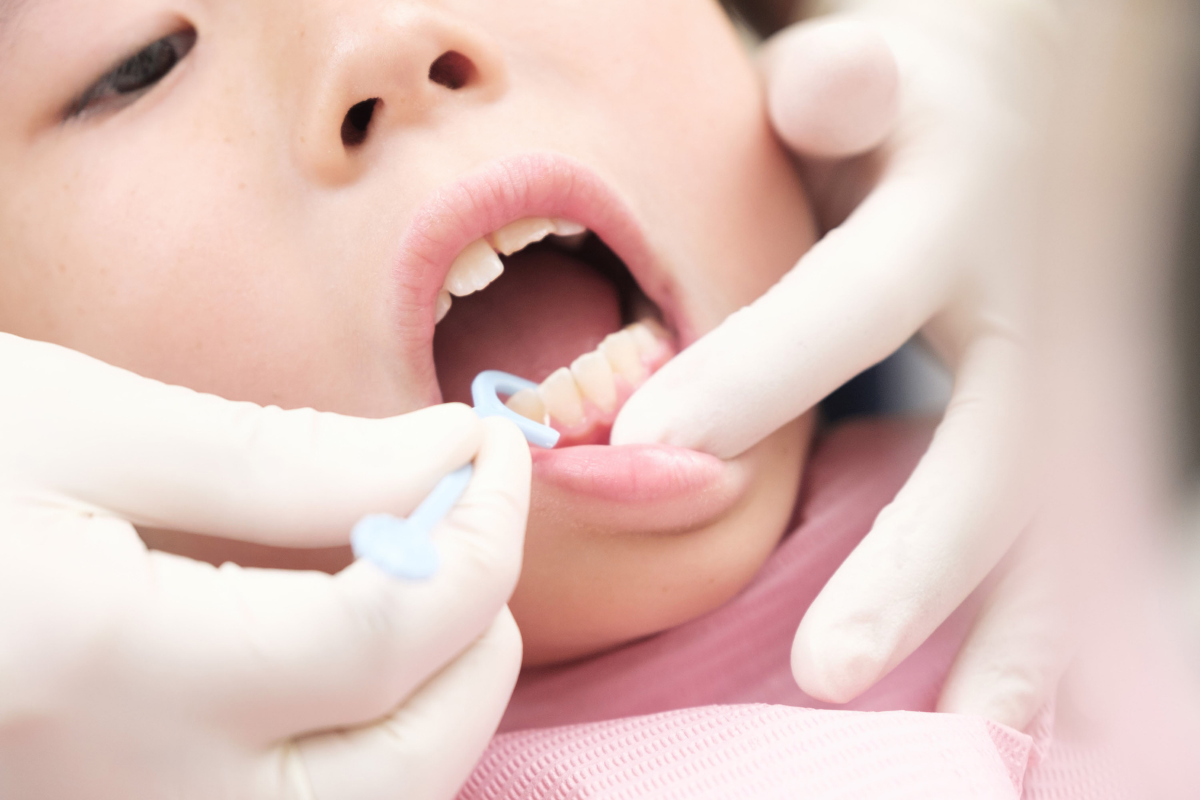


Pick a fluoride toothpaste that carries the American Dental Association (ADA) Seal of Acceptance, and use the right amount for your child’s age. That means a smear about the size of a grain of rice for kids under 3, and an amount about the size of a pea for ages 3 to 6. Flavor, packaging, and cartoon characters matter far less than the fluoride and the seal. Below, you will find how to read the label, which ingredients to skip, and what to do when your child hates mint.
Does Your Child Really Need Fluoride?
Yes, from the very first tooth. Fluoride strengthens enamel and helps reverse the earliest stage of cavities. Children’s teeth face sugary snacks, juice, and brushing that is far from perfect, so they benefit from that extra protection more than most adults do.
Most pediatric dentists recommend a toothpaste with about 1,000 parts per million of fluoride, which is the level in the majority of kids’ toothpastes sold in the U.S. If a product does not list fluoride in its active ingredients, it will not protect against cavities the way you want it to.
How Much Toothpaste Does Each Age Need?
Using too much is the most common mistake we see, and it matters because young kids swallow a lot of what goes in their mouths.
- Birth to age 3: A smear about the size of a grain of rice. Brush twice a day starting when the first tooth appears.
- Ages 3 to 6: An amount about the size of a pea.
- Age 6 and up: A pea sized amount, with an adult still checking technique.
Teach your child to spit, not rinse. Leaving a thin layer of fluoride on the teeth keeps protecting them after brushing. Swallowing a little toothpaste now and then will not hurt a child. The concern is regular swallowing of large amounts while teeth are developing, which can cause mild white spots called fluorosis. Small portions prevent it.
What Should You Look For on the Label?
Skip the front of the box and turn it around. Check for these four things:
- The ADA Seal of Acceptance, which tells you independent experts reviewed the safety and effectiveness claims.
- Fluoride listed as an active ingredient.
- A flavor your child will tolerate. The best toothpaste is the one a child will actually use twice a day. Strawberry, bubblegum, mild mint, or even unflavored versions all work.
- An age range on the package that matches your child.
Which Ingredients and Products Should Kids Avoid?
Some adult formulas do not belong in a child’s routine:
- Whitening toothpastes and charcoal products. They tend to be more abrasive, and kids do not need them.
- Strong, intense flavors. Cinnamon and extra-strength mint can sting little mouths and lead to refusing to brush.
- Large amounts of any toothpaste. Even a safe formula becomes a problem in excess.
If your child gets canker sores or irritated lips, ask your dentist about toothpastes without sodium lauryl sulfate, a foaming agent that bothers some sensitive mouths.
Can Kids Use Adult Toothpaste?
Sometimes, once they are old enough. Around age 6, when your child reliably spits and no longer swallows, a regular fluoride toothpaste from the adult aisle is generally fine, as long as it is not whitening or highly abrasive. Younger children should stick with formulas made for them, mainly because of the swallowing risk and the milder taste.
Are Natural Toothpastes Worth It?
Many “natural” products leave out fluoride, and without fluoride, your child loses the most proven cavity protection available. Some newer formulas use hydroxyapatite instead. Research on them is still developing, and they do not have the long track record that fluoride has. If you want a natural option, talk with your dentist first so you can decide together whether it fits your child’s cavity risk.
Quick Answers: Kids’ Toothpaste FAQ
When should my baby start using toothpaste?
As soon as the first tooth shows up, usually around 6 months. Use a rice sized smear of fluoride toothpaste.
What if my child swallows toothpaste?
A small swallow is not dangerous. Use the correct amount, supervise brushing, and call your dentist or poison control if your child eats a large amount.
Is a more expensive tube better?
No. The ADA Seal and fluoride matter more than the brand or the price tag.
How often should my child brush?
Twice a day for two minutes, once in the morning and once before bed. Nighttime brushing matters most, because saliva slows down while your child sleeps.
Ready to Take the Guesswork Out of Your Child’s Brushing Routine?
Standing in the toothpaste aisle should not feel like a pop quiz. Bring your questions and your child’s favorite tube, and we will help you sort it out together. Visit our dental clinic in Abilene and meet the friendly team at Children’s Dentistry of Abilene. Book your child’s checkup today and leave with a plan that fits your family.