
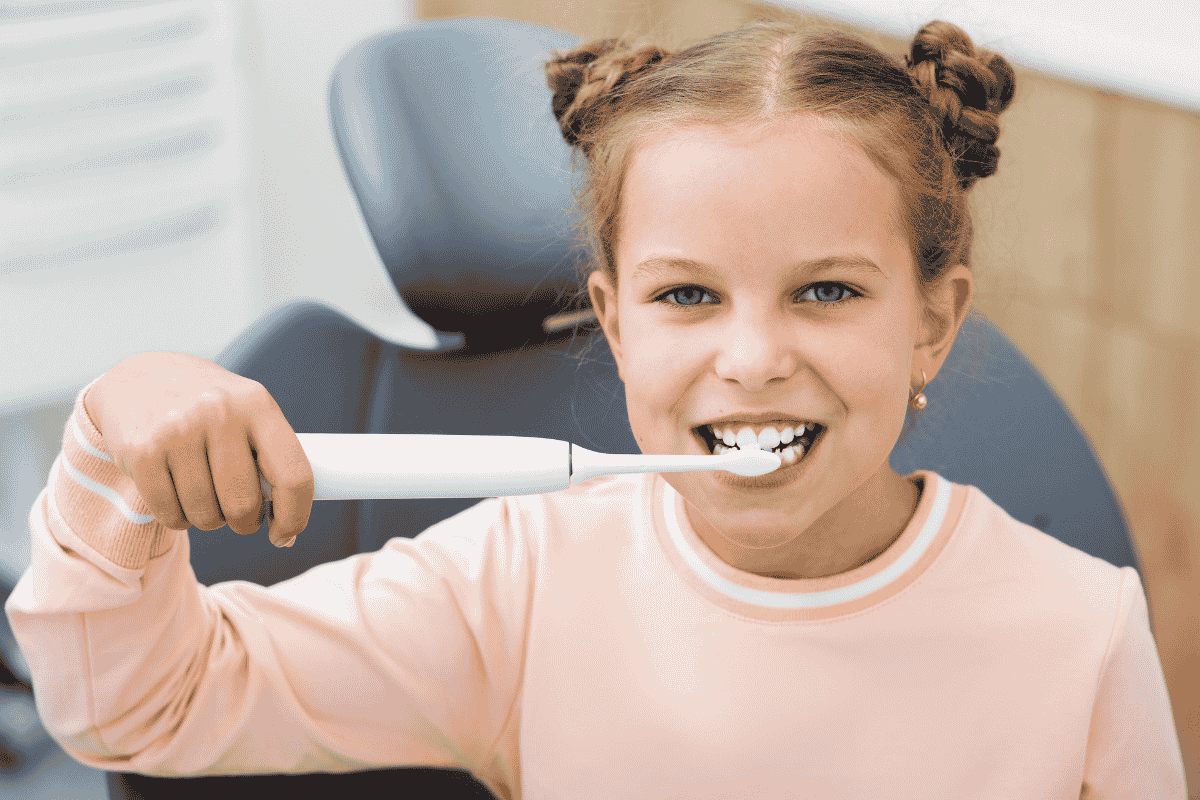
Yes, it can. When a child scrubs with a heavy hand, the bristles wear down protective enamel, irritate the gums, and can leave teeth sensitive to cold drinks and ice cream. The fix is simple: a soft toothbrush, light pressure, and small circles for two minutes, twice a day. Scrubbing harder does not clean better. It only puts more stress on teeth that are still developing.
What Actually Happens When a Child Scrubs Too Aggressively?
Plaque is a soft, sticky film. It lifts off with gentle, thorough brushing, so muscle power adds nothing. What force does add is wear and tear.
Baby teeth have thinner enamel than adult teeth, which means they have less cushion against daily abrasion. Over time, aggressive scrubbing can wear down enamel, leave teeth sensitive, and inflame the gums. Children with permanent teeth can also develop small notches near the gumline, and in some cases the gums begin to pull back from the tooth. Enamel does not grow back once it is gone, so prevention matters.
How Can You Tell Your Child Is Pressing Too Hard?
Your child will not tell you “I’m brushing too aggressively,” so look for clues:
- Bristles that flare out or look crushed after only a few weeks. A brush that is used correctly stays in shape for about three months.
- Red, puffy, or bleeding gums right after brushing.
- Sensitivity to cold air, cold drinks, or sweets.
- Gums that look shorter or teeth that seem longer than before.
- Small grooves or notches near the gumline on bigger kids’ teeth.
One caution: bleeding gums do not always point to heavy pressure. Kids who brush too lightly or skip areas also bleed, because plaque builds up and inflames the gums. If you see bleeding, a dental exam can tell you which problem you are dealing with.
How Hard Should Kids Brush, and What Technique Works Best?
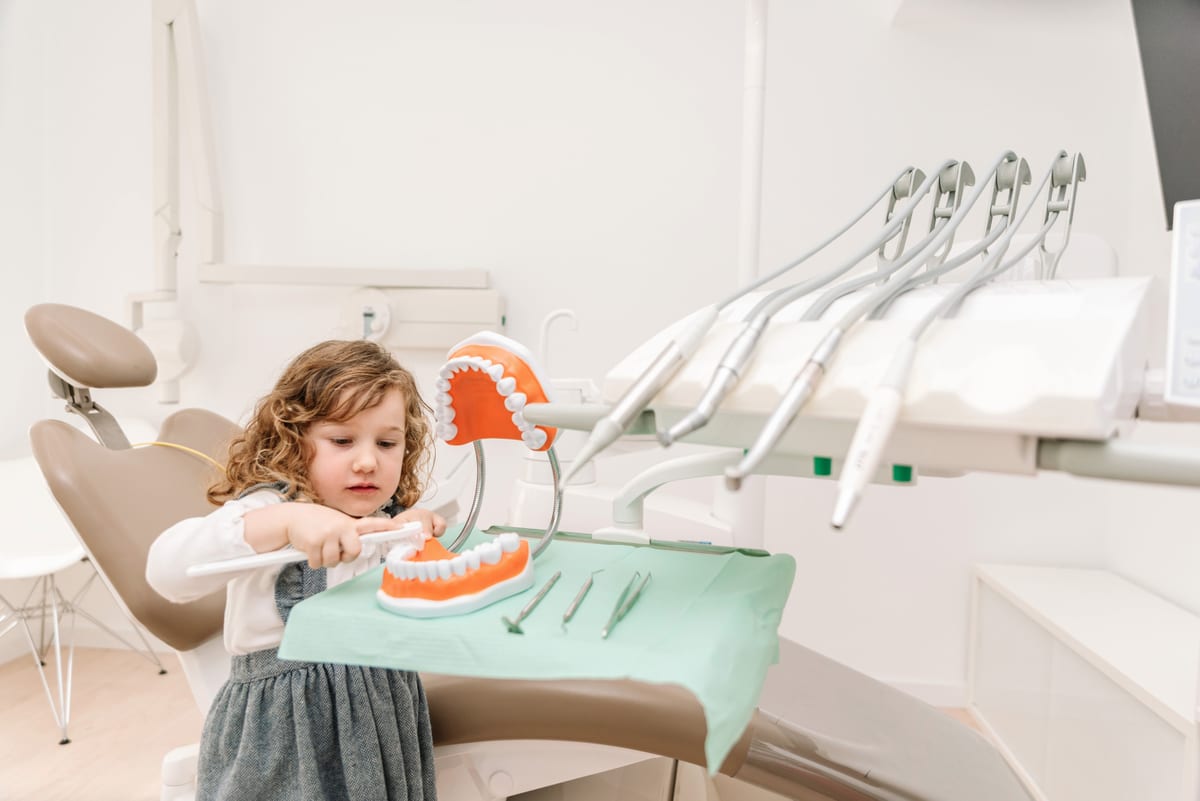
Think of the pressure you would use to press on a ripe peach without bruising it. That is all your child needs. Here is how to make it stick:
- Hold the brush like a pencil. A fist grip encourages scrubbing. Fingertips naturally keep pressure light.
- Tilt the bristles toward the gumline. Aim for about a 45-degree angle.
- Use small circles or tiny wiggles. Skip the long, sawing back-and-forth strokes.
- Cover every surface. Do the outsides, insides, and chewing surfaces, then gently brush the tongue.
- Keep it to two minutes. Use a song, a sand timer, or a brushing app so your child spends time instead of force.
Young kids need an adult helping hand. Most children cannot brush well on their own until around age 7 or 8. Until then, brush alongside them, or let them go first and then finish up yourself.
Which Toothbrush Helps Prevent Over Brushing?
Look for soft bristles and a small head sized for your child’s mouth. Medium and hard bristles have no place in a child’s bathroom.
Electric toothbrushes work well for kids too, and many models include a pressure sensor that lights up or slows the motion when your child pushes too hard. That feedback can retrain a heavy hander faster than reminders can. Whichever type you choose, replace the brush or brush head every three months, or sooner after your child has been sick.
What Should You Do If You Think Damage Has Already Started?
Start with the basics: switch to a soft brush, lighten the pressure, and watch your child’s technique for a week or two. Gums that were merely irritated often calm down quickly.
If your child complains of sensitivity, or you notice notches or receding gums, schedule a dental visit. A dentist can check the enamel, apply fluoride to strengthen weak spots, recommend a toothpaste for sensitivity, and show your child proper technique in a way that sticks.
Quick Answers: Brushing Pressure FAQ
Does brushing harder remove more plaque?
No. Thorough coverage and two full minutes do the work. Extra force only wears down tooth surfaces.
Are electric toothbrushes too strong for kids?
Not when you choose a soft, child-sized head. Models with pressure sensors can actually help kids learn a lighter touch.
Can enamel grow back after it wears away?
No. Fluoride can strengthen enamel that is weakened but not lost, which is one more reason to catch problems early.
When can my child brush alone?
Many kids can handle most of it around age 7 or 8. Until then, check their work or finish the job yourself.
Give Your Child a Brushing Routine That Actually Protects Their Smile
Not sure if your child’s technique is helping or hurting? Let us watch them brush and show you what to adjust. Visit our dental clinic in Abilene and let the team at Children’s Dentistry of Abilene turn brushing from a daily battle into a healthy habit. Call or book online today.