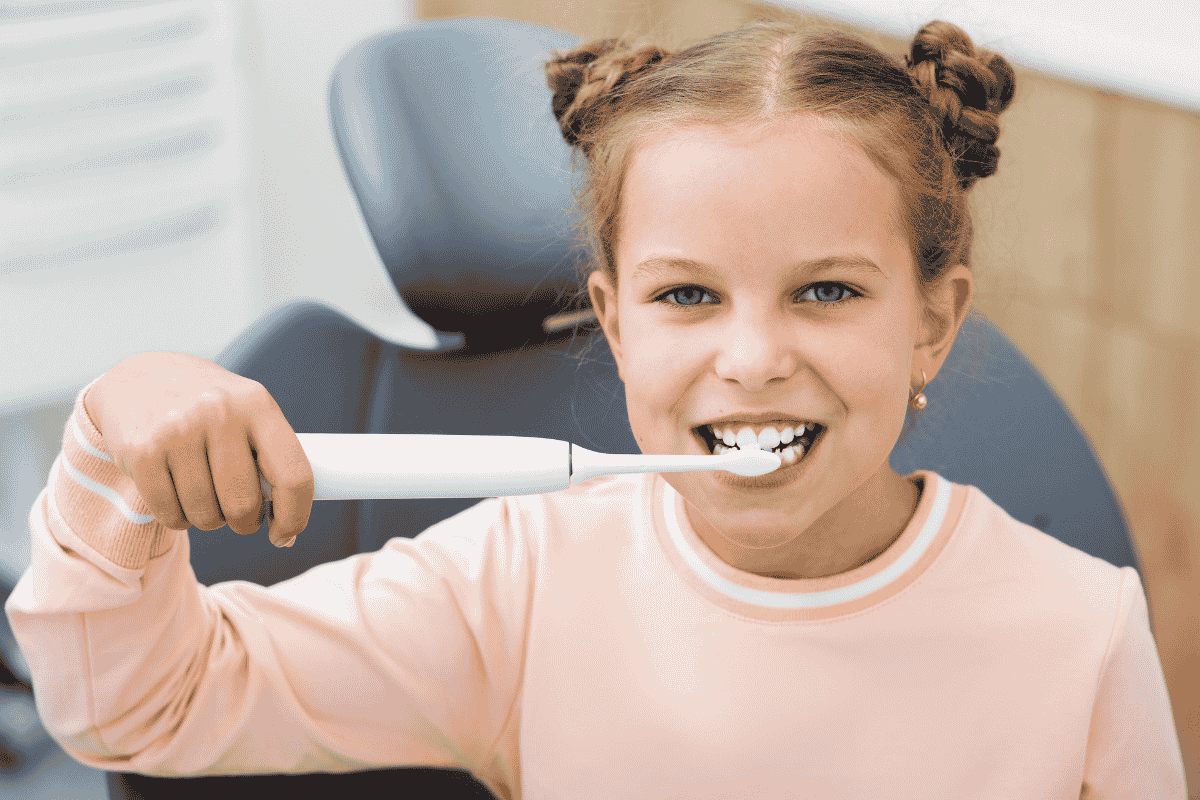


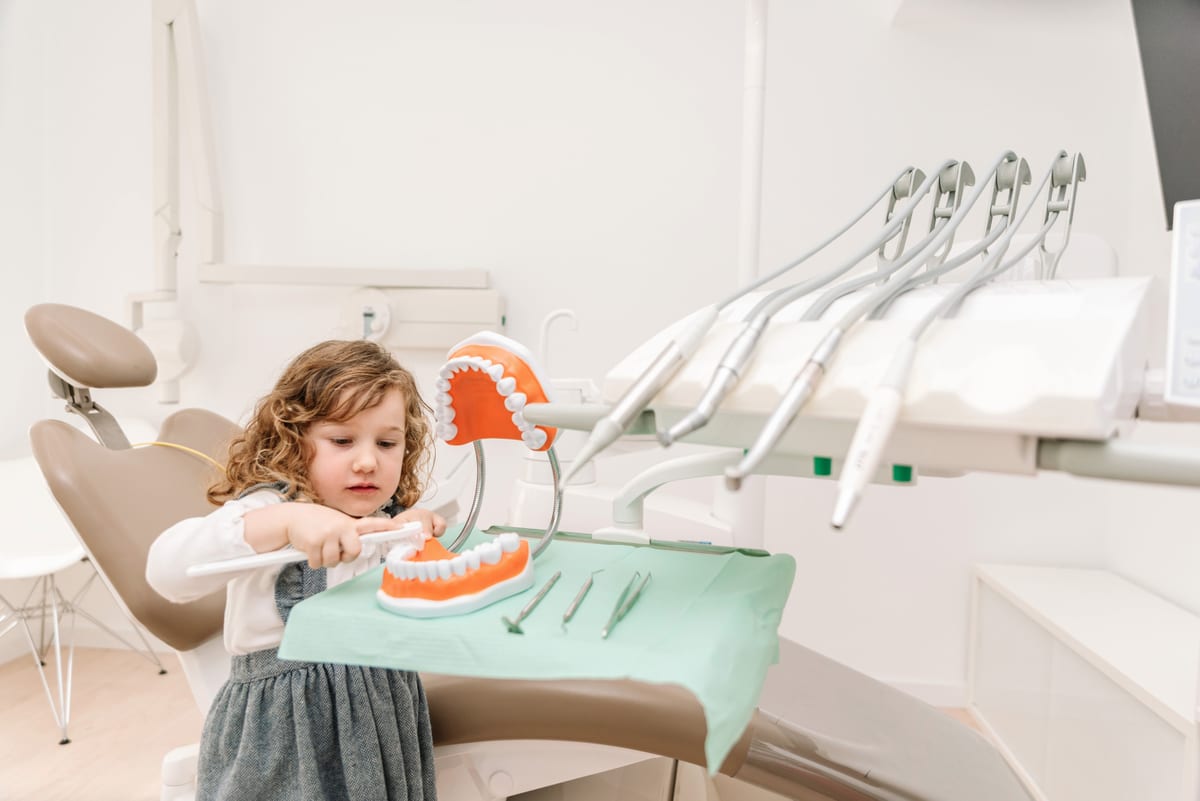
Thumb sucking and pacifiers are completely normal for babies and toddlers. They provide comfort, reduce anxiety, and can even help with sleep. But many Abilene parents wonder when these habits cross a line. Understanding thumb sucking and pacifiers — and when to worry about your child’s teeth in Abilene — can help you act at the right time.
Why Babies and Toddlers Suck Their Thumbs or Use Pacifiers
Sucking is a natural reflex that begins before birth. It helps newborns feed and also soothes them between feedings. This is why so many babies gravitate toward thumbs, fingers, or pacifiers in their first months of life.
The habit serves a real purpose in early childhood. It lowers stress, helps children self-soothe, and supports emotional development. Most children naturally give up the habit between ages two and four on their own.
There is no need to panic if your toddler still uses a pacifier at age two. Many children this age still rely on it for comfort. The concern arises when the habit continues well beyond the preschool years.
When Thumb Sucking and Pacifiers Become a Dental Concern in Abilene
Most dental professionals agree that non-nutritive sucking is harmless in children under four. The baby teeth and jaw are still quite flexible at this stage. The real risk begins when permanent teeth start coming in — typically around age five or six.
Prolonged sucking habits can cause several dental problems, including:
- An open bite, where front teeth do not close together properly
- A narrow upper jaw or crossbite
- Protruding upper front teeth
- Changes in the roof of the mouth
- Difficulty pronouncing certain sounds
The intensity of the habit matters just as much as the duration. Children who passively rest a thumb in their mouth cause less damage than those who suck aggressively. Dr. Marites Del Mundo can assess your child’s specific situation during a routine visit.
Pacifier vs. Thumb: Is One Safer for Your Child’s Teeth?
Parents often ask whether a pacifier is better or worse than thumb sucking. Both habits carry similar dental risks when they continue past age four. However, there is one key difference worth noting.
Pacifiers are easier to take away. You control when and how the habit ends. With thumb sucking, children have constant access to their comfort tool, which makes breaking the habit harder.
Pacifiers also tend to cause slightly less force on the teeth compared to active thumb sucking. That said, both can lead to the same alignment issues if the habit persists too long. Whatever your child uses, the goal is gentle and consistent transition away from the habit before permanent teeth arrive.
It is also worth noting that pacifiers should never be dipped in sugar or honey. That practice dramatically increases the risk of early childhood cavities and requires Dental Restorations Abilene families want to avoid.
How to Help Your Child Stop — Without Creating Conflict
The worst thing you can do is shame or scold your child about thumb sucking. That approach increases anxiety, which often makes the habit worse. The goal is to support your child through a calm and positive transition.
Here are some gentle, effective strategies that work well for most children:
- Praise your child when they go without the habit, even for a short time
- Offer a small reward chart to track progress together
- Identify triggers — tiredness, boredom, or stress — and address those needs differently
- Use a thumb guard or special glove as a gentle physical reminder
- Read age-appropriate books about children who stopped sucking their thumb
- Involve your child in choosing a comfort toy or stuffed animal as a replacement
Consistency matters more than speed. Most children respond well when they feel in control of the process. Rushing or forcing the issue typically backfires and prolongs the habit.
What to Do If the Habit Has Already Affected Your Child’s Teeth
Sometimes parents notice changes before the habit stops. You might see gaps in the front teeth or notice your child’s upper teeth stick out. If you see these signs, it is time to schedule a dental visit in Abilene.
Early evaluation makes a big difference. Dr. Del Mundo can determine whether the teeth will self-correct once the habit stops. In many cases, mild alignment issues resolve naturally after the child stops sucking. The teeth and jaw have remarkable potential to shift back toward normal.
If the habit has caused more significant changes, early orthodontic intervention may be recommended. A simple appliance can sometimes be placed to discourage the habit and support better alignment. Your child’s dentist will walk you through every option in a clear, stress-free way.
If your child has experienced a dental injury during this time, do not wait. A Pediatric Dental Emergency Abilene visit should happen right away to protect your child’s smile.
Conclusion: You Do Not Have to Figure This Out Alone
Thumb sucking and pacifier habits are some of the most common concerns Abilene parents bring to the dentist. You are not alone, and there is no reason to feel stressed or guilty about it. What matters most is that you act at the right time with the right guidance.
Dr. Marites Del Mundo and the team at Children’s Dentistry of Abilene are here to support your family every step of the way. We make dental visits comfortable, educational, and completely judgment-free. Book Now to schedule your appointment with our team.
Frequently Asked Questions
At what age should my child stop using a pacifier?
Most pediatric dentists recommend weaning children off pacifiers by age two to three. Stopping before permanent teeth emerge — usually around age five or six — greatly reduces the risk of dental problems. The earlier you start the transition, the easier it tends to be for most children.
Can thumb sucking permanently damage my child’s teeth?
In many cases, mild dental changes caused by thumb sucking will self-correct once the habit stops. This is especially true if the habit ends before permanent teeth come in. More prolonged or intense sucking may require orthodontic treatment, which is why early evaluation by a pediatric dentist is so important.
Is it safe to use a pacifier from birth?
Yes, pacifiers are generally safe and beneficial for newborns and infants. They can reduce the risk of SIDS and help babies self-soothe. Just avoid dipping them in anything sweet, and plan to begin weaning around your child’s second birthday to protect developing teeth.
What if my child is five or older and still sucking their thumb?
If your child is five or older and still sucking their thumb, schedule a dental evaluation as soon as possible. Dr. Del Mundo can assess whether the habit has affected tooth alignment and recommend the right next steps. Gentle behavioral strategies and dental appliances are available to help if needed.
How does Children’s Dentistry of Abilene help with these habits?
Dr. Marites Del Mundo and our team provide compassionate, judgment-free evaluations for children with thumb sucking or pacifier habits. We assess the impact on your child’s teeth and jaw, offer practical guidance for stopping the habit, and discuss any treatment options in a clear and family-friendly way. Our goal is always to support both the child and the parent through every stage of oral development.